Time management is an indispensable skill for every teacher, essential for navigating the multifaceted responsibilities inherent in the profession. Balancing the demands of lesson planning, grading, household chores, and personal time can indeed feel like a daunting task.

As a home educator, your students are not only under your tutelage but are also living in your household, consuming snacks, and shedding fur, adding another layer of complexity. Moreover, when you add a work-from-home role to the mix, the homemaker homeschooler is required to maintain a delicate balance, meeting both the demands of professionalism and time constraints at work.
With no genie or maid at our disposal, it’s an all-hands-on-deck situation around here. However, armed with the right tools, strategies, and mindset, it’s entirely possible to efficiently juggle these demands—just as long as we don’t look down too often.
In this blog post, we will delve into practical tips and solutions aimed at helping teachers manage their time effectively. By doing so, they can not only meet their professional obligations but also find fulfillment in their personal lives.
Teaching Preparation and Grading
One of the biggest challenges for me in my educator role is managing the time-consuming tasks of preparing for classes and grading assignments. Here are some strategies to streamline these processes:
- Plan Ahead: Creating a realistic schedule with dedicated time blocks for teaching-related tasks is crucial. By allocating specific hours for grading, lesson planning, and material preparation, teachers can ensure they stay on track and avoid last-minute rushes.
- Leverage Shared Resources: Collaboration with colleagues who have taught the same course before can be immensely helpful. Utilizing existing course materials, lesson plans, and feedback can save time and enhance teaching effectiveness.
- Prioritize Facilitation Over Mastery: While it’s important to have a solid understanding of the content, focusing on facilitating student engagement and critical thinking can be more beneficial. Teachers don’t need to be experts in every detail; instead, they should focus on guiding discussions and activities effectively.

Household Chores and Responsibilities
Managing household chores alongside teaching responsibilities can add to the stress of an already busy schedule. Here’s how teachers can tackle this challenge:
- Delegate and Share: Involving family members or housemates in household tasks can lighten the load. By delegating responsibilities such as cooking, cleaning, or grocery shopping, teachers can free up valuable time for other activities.
- Set Realistic Expectations: Striving for perfection in household chores is not sustainable. Teachers should prioritize essential tasks and let go of minor imperfections. Hiring help, if feasible, can also alleviate some of the burden.
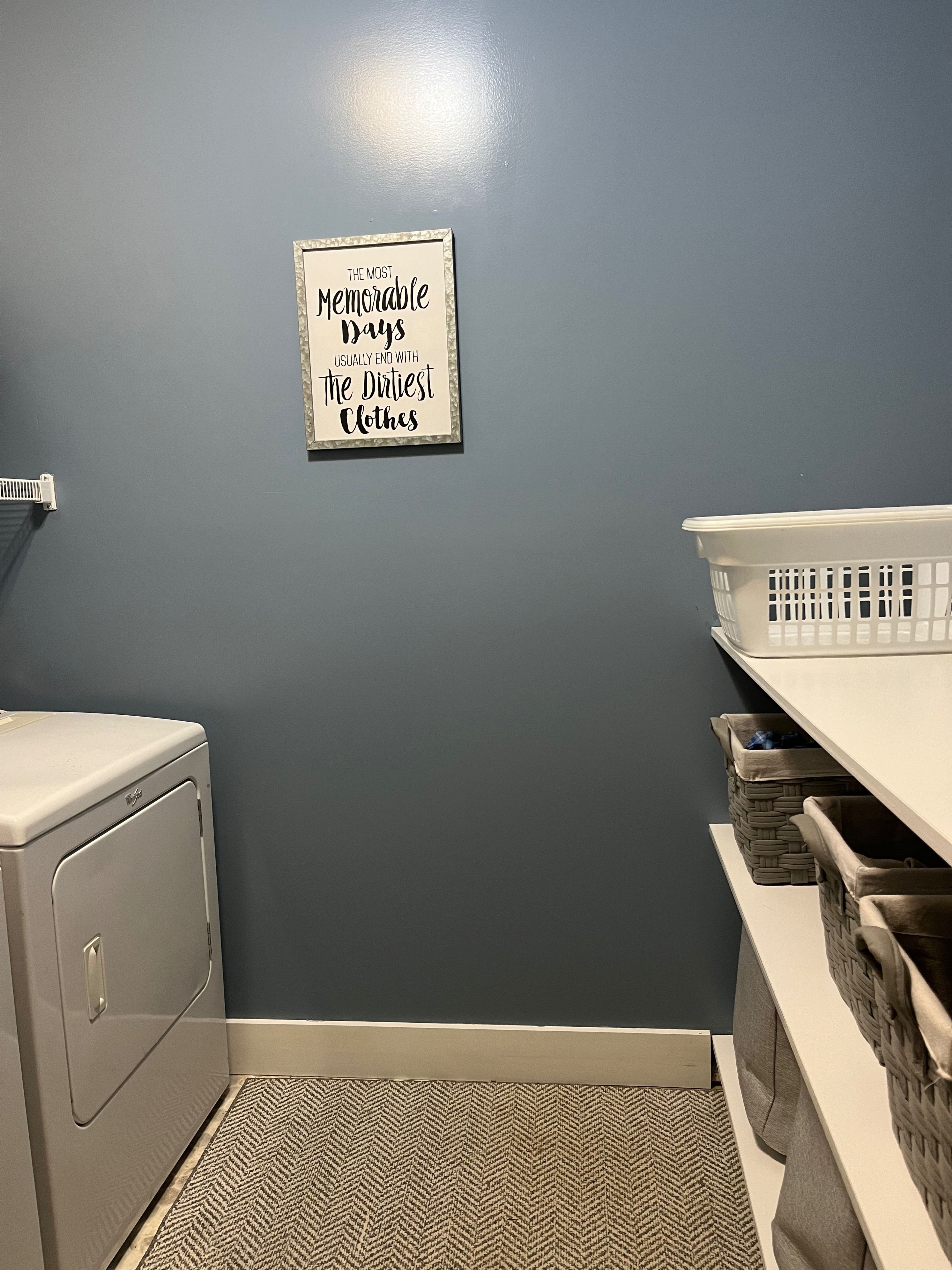
- Batch Tasks: Grouping similar chores together and dedicating specific days for activities like laundry, grocery shopping, or cleaning can increase efficiency and minimize distractions.
Personal Time and Self-Care
Neglecting personal well-being amidst a busy schedule is a common pitfall for teachers. Here are some strategies to prioritize self-care:
- Schedule Self-Care: Treating self-care as a non-negotiable appointment is essential. Allocating time for exercise, relaxation, hobbies, or quality time with loved ones is vital for maintaining overall well-being.
- Know Your Peak Energy Times: Identifying times of peak productivity and alertness can help teachers optimize their schedules. Reserving these periods for tasks that require focus, such as lesson planning or research, can lead to better outcomes.
- Establish Boundaries: Setting clear boundaries for work-related communication outside of teaching hours is crucial. Teachers should communicate their availability to students and colleagues and stick to it to avoid burnout.

In Conclusion
Effective time management is a skill that can significantly impact a teacher’s professional and personal life. By prioritizing tasks, delegating responsibilities, and making time for self-care, educators can achieve a better balance between work, home, and personal life. Remember, it’s not about doing everything—it’s about doing the right things efficiently.
 excellentedventures.com
Leave a comment